
Field Account – Tine, Chad
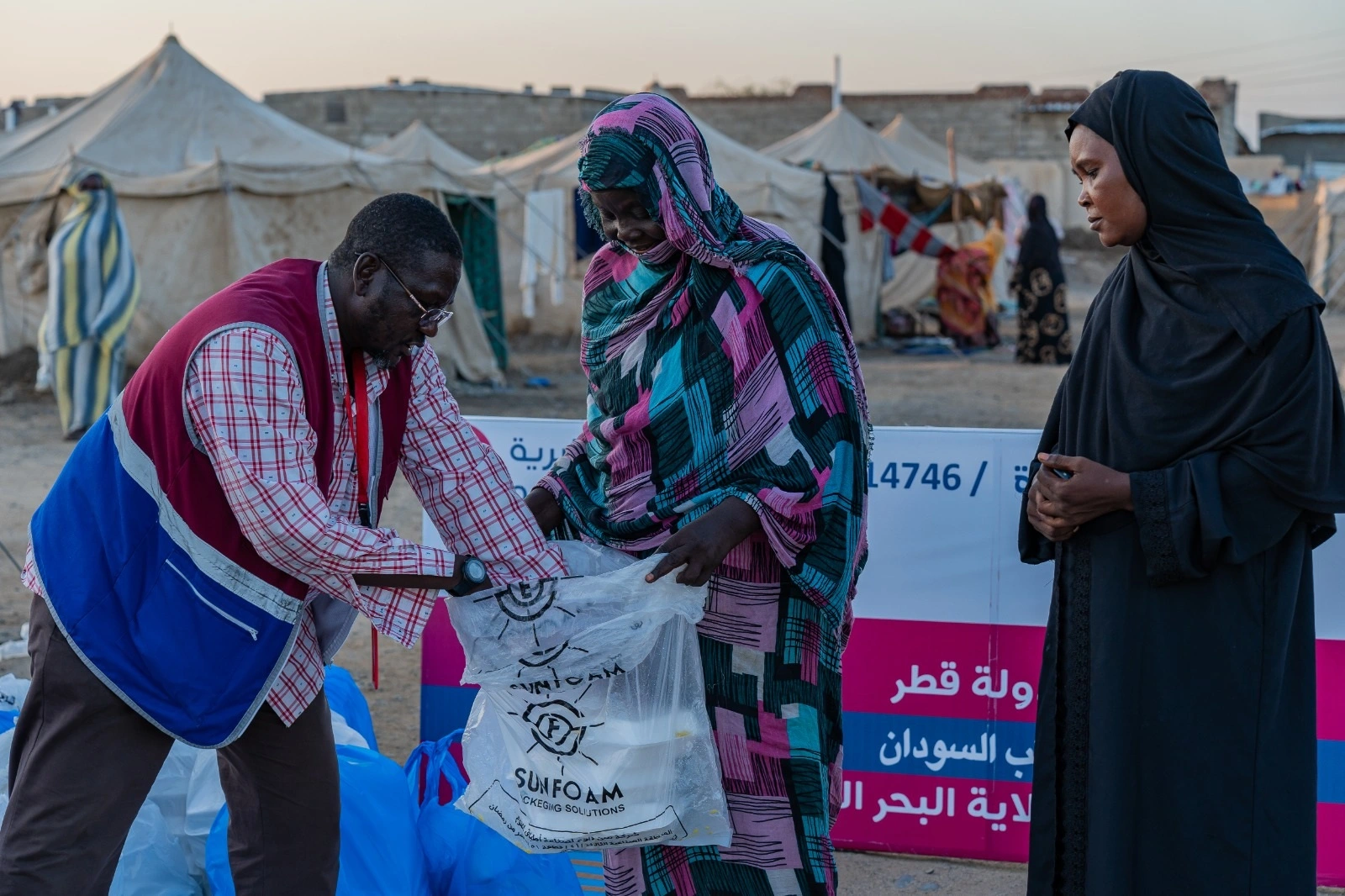
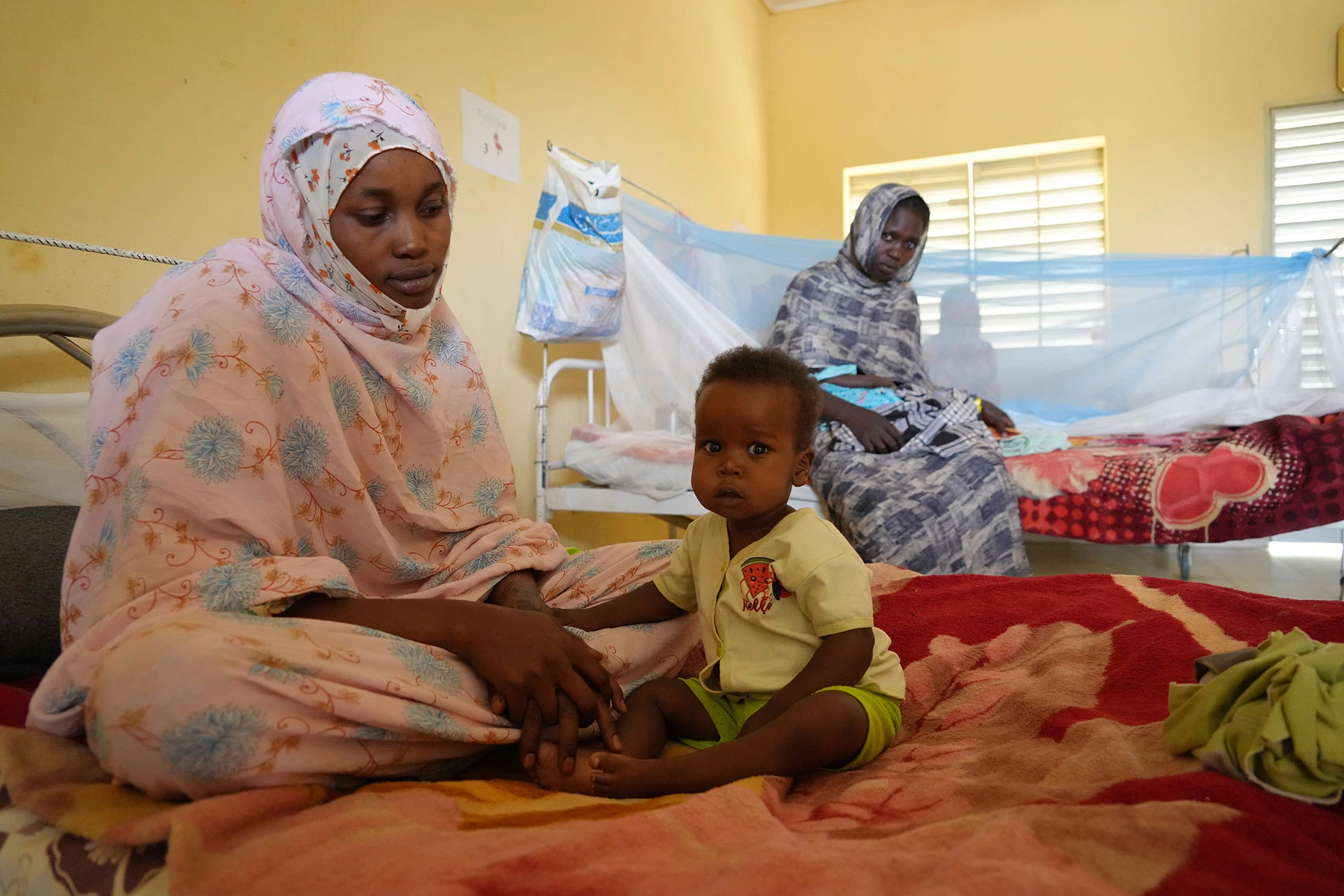
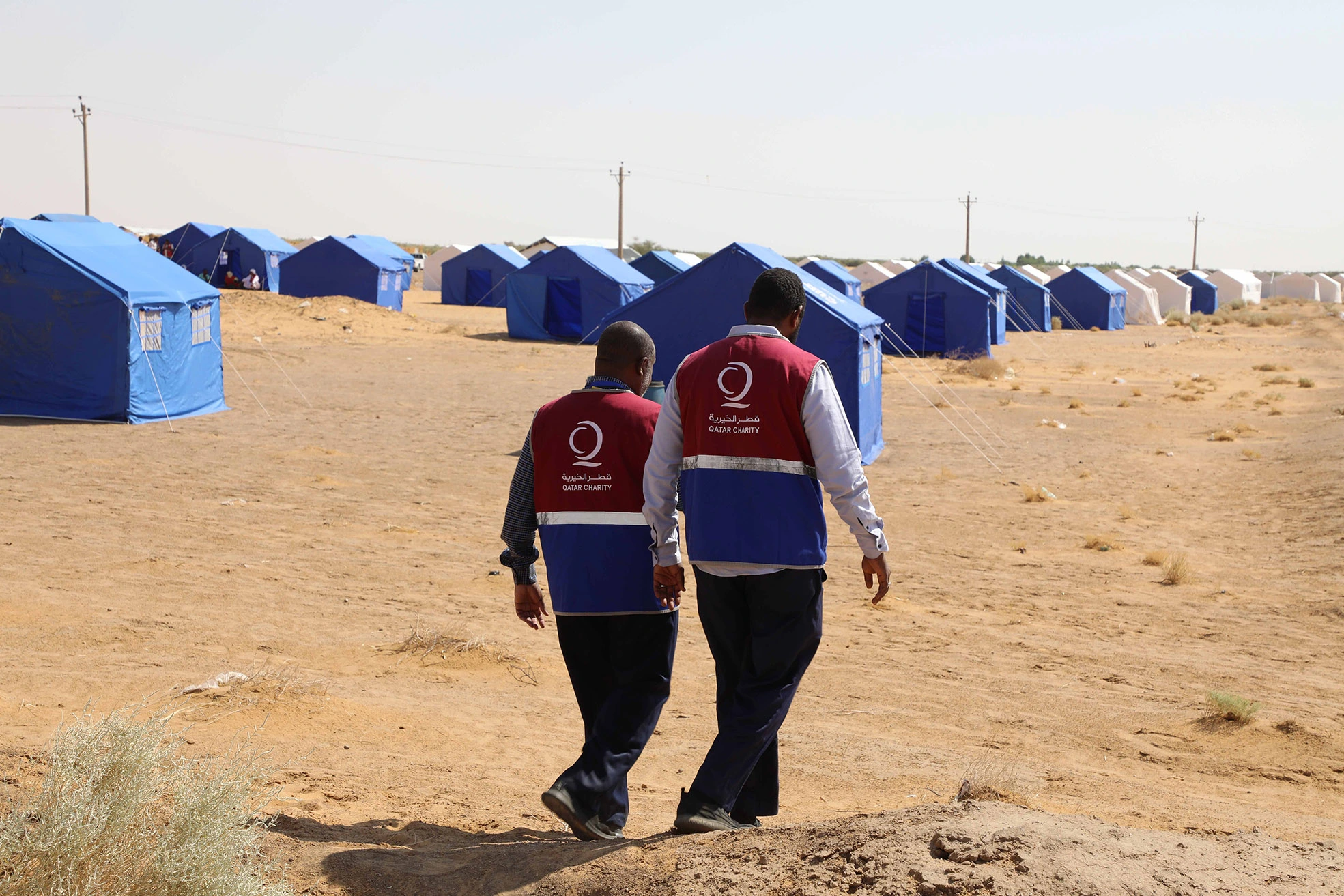
At the dusty border fence of Chadian Tine, where I was overseeing Qatar Charity’s projects supporting Sudanese refugees, I met a young girl whose story embodies both the fragility and resilience of Sudan’s displaced communities. Her eyes carried exhaustion, but also a quiet determination that spoke louder than words.
Table of contents
She had been repeatedly uprooted—first from Zamzam Camp, then from one temporary shelter to another—until finally crossing into Chad. Her journey was long and perilous: part of it on foot, part of it clinging to the back of a truck, each step taken in search of safety. She was fleeing not just violence, but the theft of her future.
The Reality of Displacement
Talking to her broke my heart.
Civilians and local communities are being forcefully displaced by Sudanese armed groups, stripped of their homes, their livelihoods, and their sense of belonging. Each border crossed is not just a line on a map—it is a fracture in a life, a rupture in a community.
Behind every statistic of displacement lies a human face, a dream interrupted, a voice silenced too soon. Yet, in her voice, I heard something different: not despair, but hope.
A Dream Beyond Survival
When I asked her what she wanted most, her answer was simple and profound:
“I want to enroll in university. I want to become a doctor. Then I will go back to Sudan to treat my brothers and sisters.”
She was not asking for charity, nor for pity. She was asking for the chance to learn, to serve, to heal. Her dream was not about escaping Sudan—it was about returning, stronger, equipped to rebuild what has been broken.
Why Her Story Matters
Her words remind us that humanitarian response is not only about food, shelter, or immediate survival. It is also about protecting futures. Education is not a luxury—it is a lifeline, a form of resistance against cycles of violence and displacement.
Meeting her at Tine was a reminder that behind every convoy, every camp, every statistic, there are young people who still dare to dream. And those dreams deserve to be protected as fiercely as lives.
Closing Reflection
As I walked away from the border fence, I carried her story with me. A girl who fled for her life, yet still holds onto the vision of becoming a doctor. A girl who believes that healing her country is possible. Since we met, she has taken her first step toward that vision by securing a place at a university in Chad, a reminder that futures can still be reclaimed after displacement.
Her journey is not just hers—it is Sudan’s journey. And it is our collective responsibility to ensure that her dream, and the dreams of countless others, are not lost to the violence that forced them across borders.
Call to Action
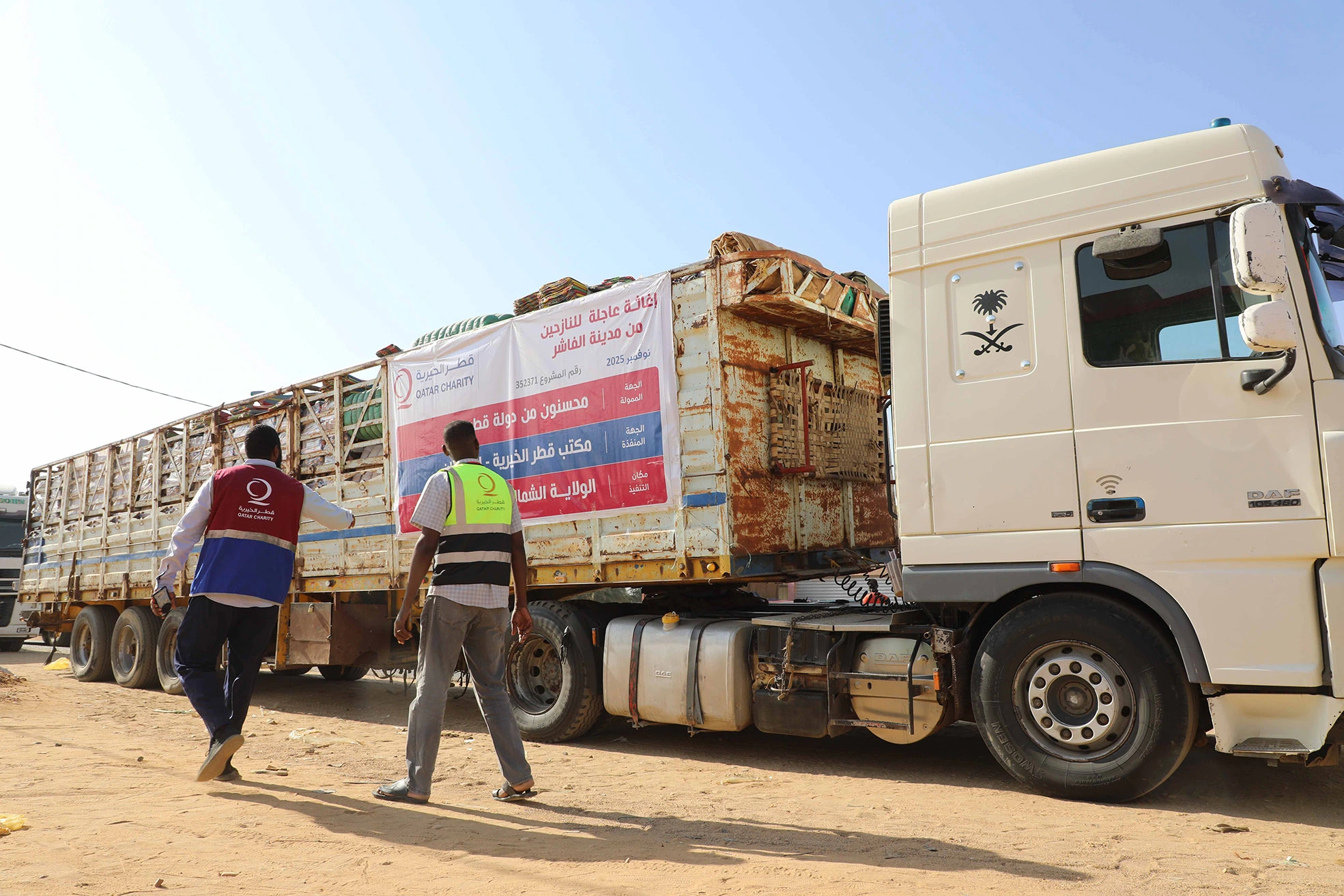
For organizations engaged in responding to crises globally, such as Qatar Charity, this is a reminder that our responsibility must extend beyond immediate aid to uphold education, dignity, and the future. Because when civilians flee, international responsibility must not stop at the fence.