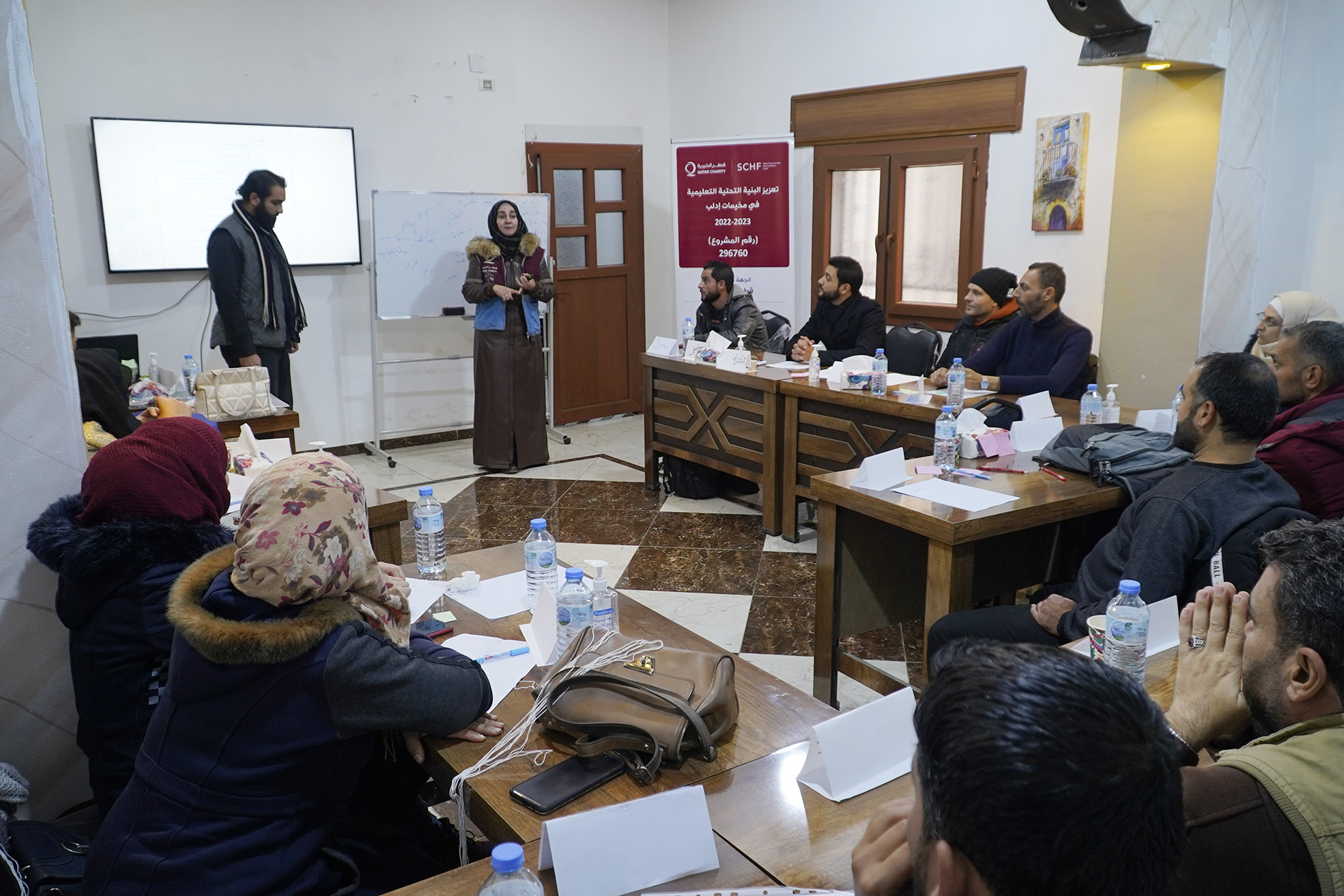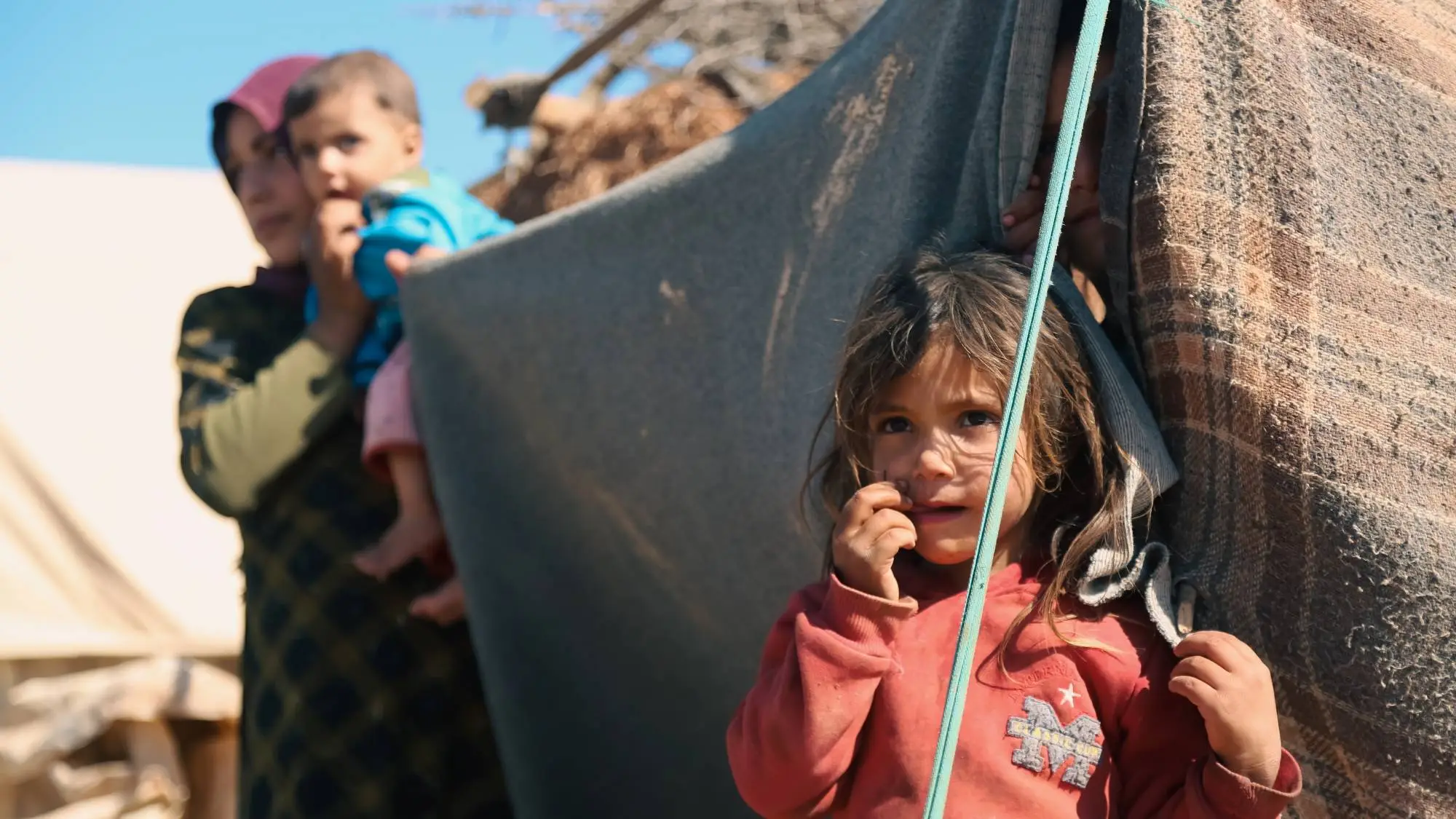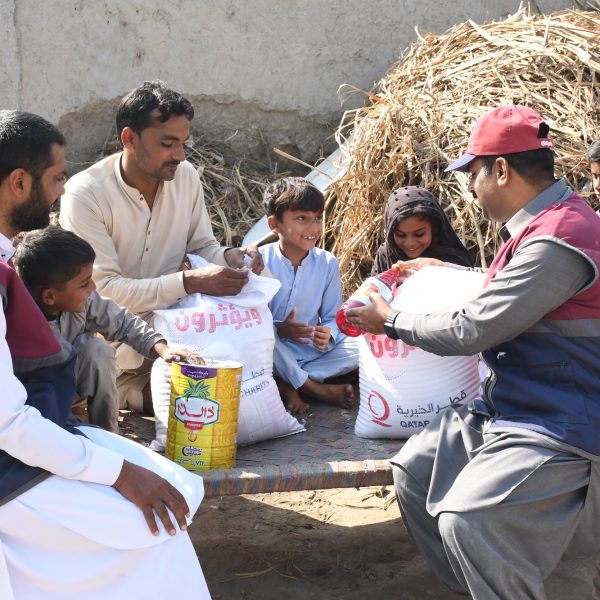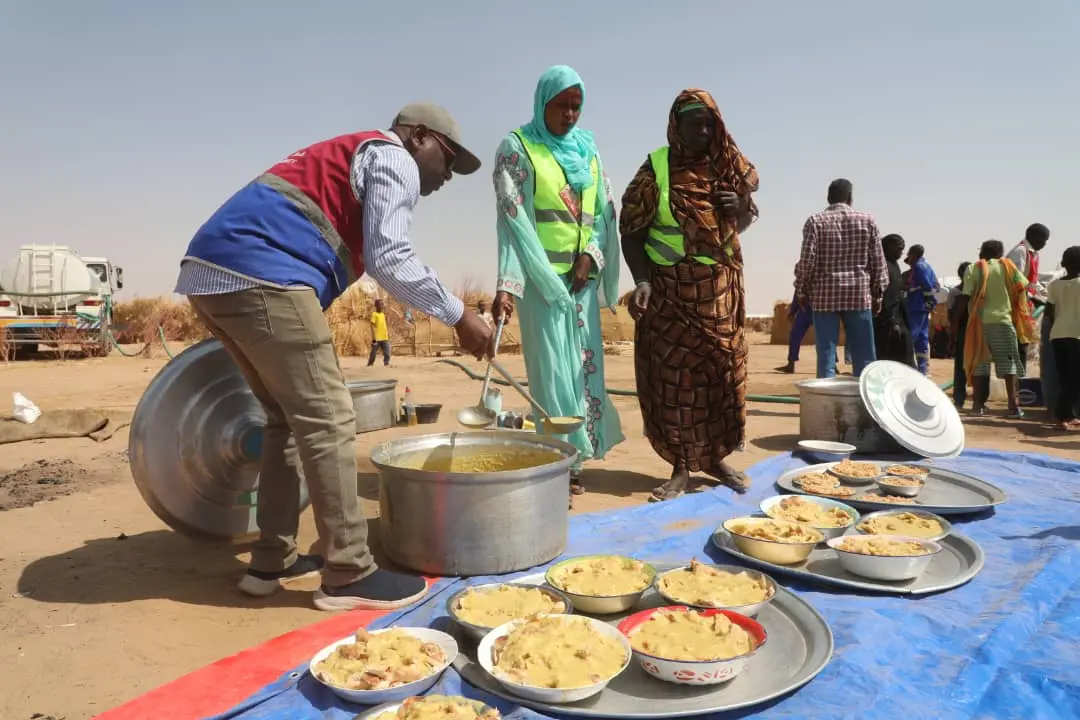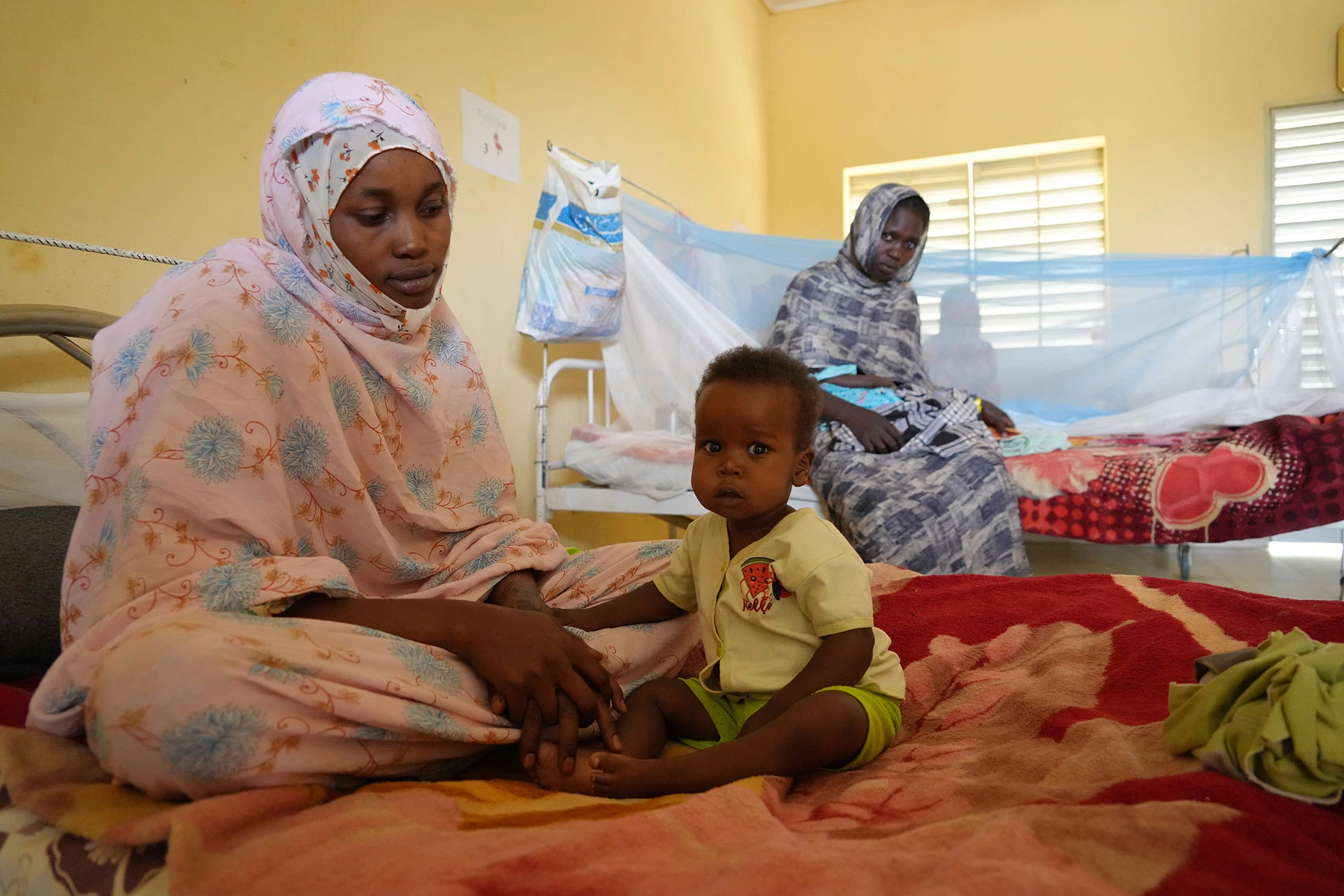

Humanitarian organizations today operate in some of the most dangerous environments in modern history. In 2024, attacks on humanitarian workers reached unprecedented levels.
Table of contents
In regions and countries such as the Gaza Strip, Sudan, and Syria, security risks intersect with political pressures—a reality that has exposed humanitarian organizations to accusations simply for operating in conflict zones, despite their adherence to international humanitarian standards and their focus on urgent human need.
A senior official at a United Nations agency captured this reality succinctly: “Operating in these environments is not a choice—it is a necessity to protect civilians.”

Obstacles to Humanitarian Action
Among the gravest challenges is the direct targeting of humanitarian personnel, particularly in places like Gaza and South Sudan. The intensity of attacks has restricted the mobility of field teams, limiting their ability to reach those most in need.
At the same time, humanitarian organizations face attempts to politicize aid. Lawsuits have been used as pressure tools, as seen in the case of Qatar Charity, which faced lawsuits in the United States accusing it of supporting armed groups—cases that were later dismissed.
Legal experts have warned that such practices undermine the neutrality of humanitarian action and obstruct the delivery of assistance.
Protection as a Prerequisite for Impact
The heavy loss of staff among international organizations in Gaza stands as a stark reminder that the humanitarian space has become more fragile than ever.
Media narratives and political accusations further compound the burden on organizations operating in the region, often turning purely humanitarian work into a subject of suspicion—despite the high levels of transparency maintained by many organizations.
Medical and humanitarian agencies have emphasized that: “Protecting humanitarian workers is a prerequisite for protecting the communities that depend on them.”
Supporting Legal Framework
Protection rests on the principles of neutrality and impartiality, as enshrined in United Nations resolutions and the Geneva Conventions.
Humanitarian organizations benefit from humanitarian exemptions that allow the transfer of funds and essential supplies without breaching sanctions laws. These exemptions have enabled humanitarian actors to continue their operations in conflict zones within a clear legal framework.
Additionally, UN Security Council resolutions on the protection of humanitarian personnel reaffirm the obligation of all parties to conflict to respect humanitarian facilities and staff.

Compliance, Transparency, and Local Trust
This requires strengthening compliance systems, adopting safety protocols, and enhancing transparency and trust with local communities.
Experiences across the region demonstrate that organizations adhering to neutrality and professional standards are better positioned to overcome obstacles and continue delivering life‑saving assistance.
In Conclusion
Humanitarian organizations operating in conflict zones face a complex environment that combines security risks and political interference. Yet their role remains indispensable to the survival of millions.
The experience of regional organizations—foremost among them Qatar Charity—underscores a crucial truth: transparency, legal compliance, and humanitarian neutrality are not merely operational principles; they are vital safeguards against mounting misinformation and challenges.